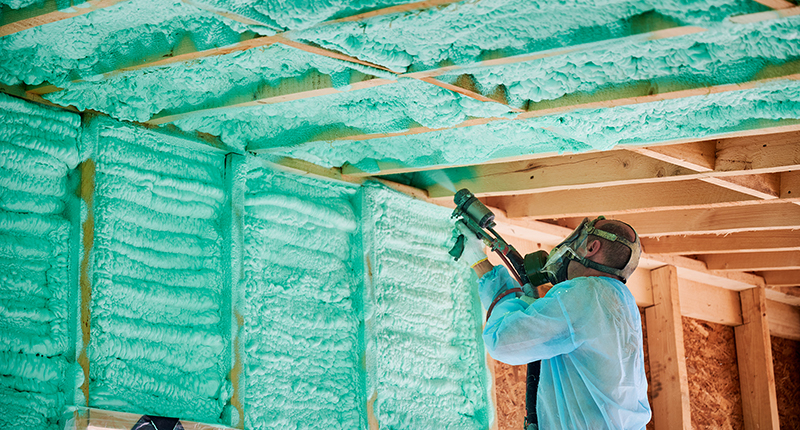
CNSL Polyurethane Solutions

Meet the demands of modern applications

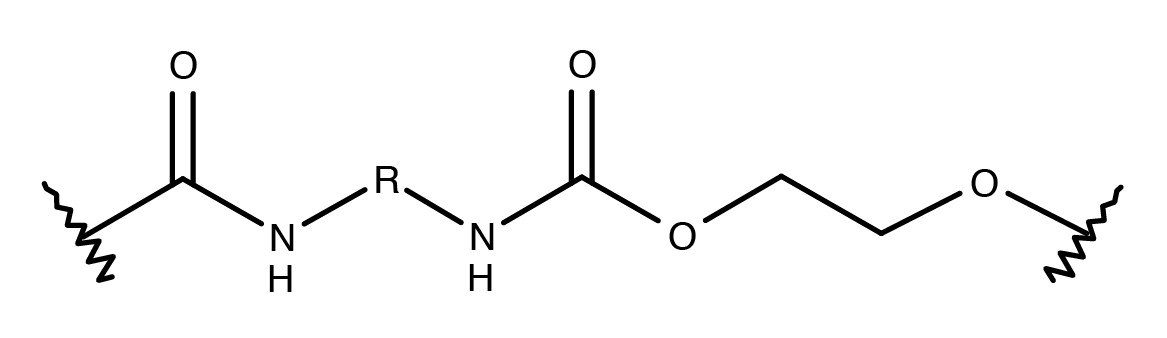
Polyurethane Chemistry Structure

Polyurethane Chemistry

Polyurethane bonds form by reacting diisocyanates with polyols, creating a segmented polymer network:

  • Soft segments (polyols/diols): Provide elasticity, resilience, and low-temperature flexibility
  • Hard segments (diisocyanate/chain extender): Contribute hardness and structural strength

Common building blocks:

  • Diisocyanates: TDI, MDI/PMDI, HDI, IPDI
  • Polyols/diols: Polyethers, polyesters, castor-derived, polycarbonates, polycaprolactones, amine-terminated, acrylic polyols

Customizable with additives:

  • Catalysts, surfactants, moisture scavengers, diluents
  • Flame retardants, pigments, fillers

Key benefits:

  • Mechanical strength and adhesion
  • Weatherability and abrasion/tear resistance
  • Versatile use in coatings, adhesives, foams, elastomers, and more

CNSL Polyurethane Solutions

Meet the demands of modern applications
Protection

Hydrophobicity

Cardanol’s long aliphatic side chain provides inherent hydrophobicity, helping enhance polyurethane formulation water resistance and minimize moisture-related issues during cure.

Key benefits include:

  • Adhesion to damp substrates
  • Hydrolytic stability for long lasting protection
  • Good appearance of the final product in humid conditions


Learn More

Reactivity

Tailored reactivity

CNSL-based polyols and diols provide fast cure with minimal additional catalysts, enabling efficient crosslinking and strong network formation even at ambient conditions.

This helps to:

  • Simplify formulations, reducing overall system cost
  • Accelerate return-to-service for enhanced productivity


Learn More

Cashew Apple Web 2

Aromatic advantage

The aromatic backbone of CNSL polyols differentiates them from other natural oil-derived polyols like soy or castor oil. This feature provides enhanced durability and mechanical properties that are difficult to achieve using other bio-based polyols.

Including:

  • Higher strength
  • Better thermal stability
  • Improved chemical resistance


Learn More

CNSL Polyurethane Solutions

Meet the demands of modern applications

Hydrophobicity

Cardanol’s long aliphatic side chain provides inherent hydrophobicity, helping enhance polyurethane formulation water resistance and minimize moisture-related issues during cure.

Key benefits include:

  • Adhesion to damp substrates
  • Hydrolytic stability for long lasting protection
  • Good appearance of the final product in humid conditions

Tailored Reactivity

CNSL-based polyols and diols provide fast cure with minimal additional catalysts, enabling efficient crosslinking and strong network formation even at ambient conditions.

This helps to:

  • Simplify formulations, reducing overall system cost
  • Accelerate return-to-service for enhanced productivity

Aromatic advantage

The aromatic backbone of CNSL polyols differentiates them from other natural oil-derived polyols like soy or castor oil. This feature provides enhanced durability and mechanical properties that are difficult to achieve using other bio-based polyols.

Including:

  • Higher strength
  • Better thermal stability
  • Improved chemical resistance


Learn more about CNSL and Cardanol technology

Product Offering and Applications

Contact Us

For more information, please contact your sales representative or submit an inquiry on our site.

Request more info

Contact Us

For more information, please contact your sales representative or submit an inquiry on our site.

Request more info

alt=""